
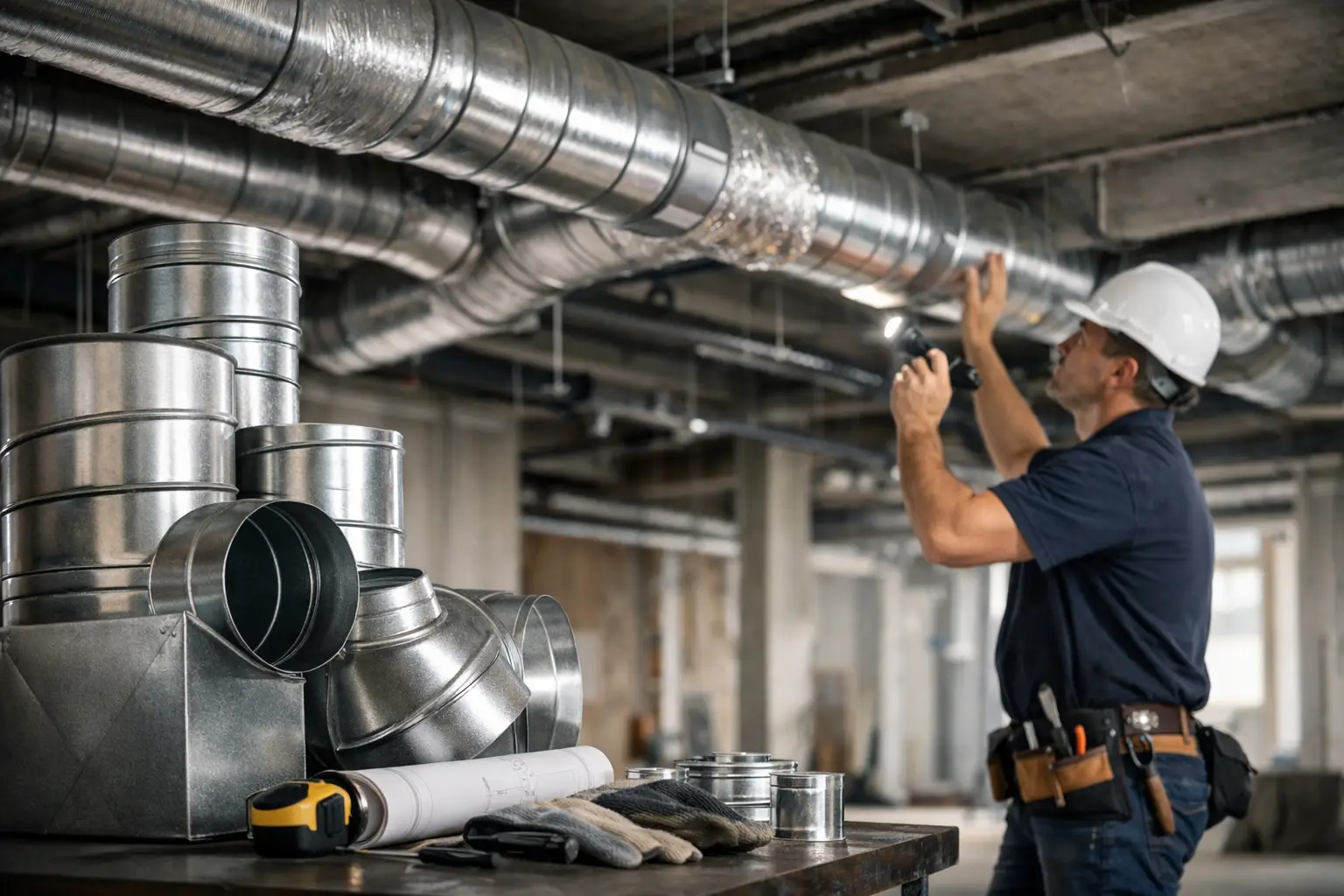
A new HVAC system can only perform as well as the pathways that carry conditioned air through the building. That is why ductwork replacement cost is not just a construction question. It affects room-to-room comfort, energy use, indoor air quality, and how hard your heating and cooling equipment has to work during Monroe’s hot summers and cold snaps.
For many homes, a complete duct replacement falls somewhere between a few thousand dollars and well over $10,000. The wide range is real, and it comes down to the layout of the home, the condition of the existing ducts, access to the work area, and whether the system needs to be redesigned rather than simply replaced. A careful evaluation is the best way to get a useful number instead of a guess.
What Is Included in Ductwork Replacement Cost?
Duct replacement is more involved than removing old metal or flex duct and putting new material in its place. A proper project begins with evaluating the existing system and identifying why it is underperforming. Leaks, crushed runs, poor insulation, disconnected joints, and incorrect sizing can all restrict airflow or waste conditioned air.
The quoted scope may include removing damaged duct sections, installing new supply and return ducts, sealing connections, insulating ducts in unconditioned spaces, adding or adjusting return-air pathways, and testing airflow after installation. Depending on the project, it can also include new grilles, registers, boots, dampers, or modifications around the air handler.
A lower estimate is not always a better value if it leaves behind major airflow problems. For example, replacing only visible duct sections may not solve a hot upstairs bedroom if the return system is undersized or the main trunk line cannot deliver enough air to that area.
The Main Factors That Affect Ductwork Replacement Cost
Size and layout of the home or building
Larger homes generally need more duct material, more connections, and more labor. However, square footage alone does not determine price. A compact one-story home with an open attic may be simpler to serve than a smaller two-story home with ducts routed through tight chases, floors, and finished ceilings.
The number of rooms, zones, returns, and supply registers also matters. A home with several additions may have a patchwork duct system that needs more planning than a home built with a straightforward central layout. In commercial spaces, costs can vary even more based on ceiling height, occupancy needs, equipment capacity, and the need to keep operations running during the work.
Access to existing ductwork
Access is one of the biggest variables in a duct replacement project. Ducts located in a walkable attic, unfinished basement, or accessible crawl space are usually easier to replace than ducts hidden behind drywall or inside a tightly framed ceiling cavity.
Crawl spaces common in parts of the Charlotte area can create additional labor needs, especially when they are low, damp, or difficult to enter. If technicians need to open and restore drywall, flooring, or ceiling areas to reach ductwork, that work should be clearly explained in the estimate.
Duct material and insulation
Most residential systems use flexible duct, sheet metal duct, duct board, or a combination of materials. Each has a place when installed correctly. Flexible duct can work well in difficult routes, but it must be properly supported and pulled tight to avoid airflow restrictions. Sheet metal is durable and often preferred for main trunks and certain connections, but fabrication and installation can require more labor.
Insulation is equally important when ducts run through hot attics or unconditioned crawl spaces. Poorly insulated ducts can gain heat in summer and lose heat in winter before the air reaches the room. Spending more for correctly insulated, sealed ductwork can reduce waste and support more consistent comfort over time.
System design and sizing corrections
This is where replacement projects can create the biggest improvement. Older duct systems are sometimes too small for a replacement HVAC unit, oversized in certain areas, or designed around additions that changed the home’s needs. A system that is not balanced may leave some rooms stuffy while others feel too cold.
A contractor should look beyond the damaged duct itself. Airflow requirements, equipment capacity, return-air needs, room loads, and register placement all influence whether the new layout will work as intended. Redesigning a system costs more than a simple swap, but it can prevent the frustration of installing new equipment only to keep the same comfort problems.
Repairs uncovered during the project
Some conditions are not visible until work begins. Water damage, pest damage, mold concerns, deteriorated insulation, framing obstacles, or unsafe electrical issues near the duct path may require added work. Reputable contractors discuss these findings before moving forward whenever possible and explain how they affect the project cost.
This is one reason a detailed inspection matters. An estimate based only on a quick look at a few accessible ducts may not account for the full scope of a replacement.
When Replacement Makes More Sense Than Duct Repair
Not every duct issue requires a complete replacement. Small leaks at joints, a disconnected flex duct, or localized damage may be repairable. Sealing and repairing a sound system can be a cost-effective choice when the duct layout and sizing are otherwise in good condition.
Replacement is often the better long-term option when damage is widespread or the system was poorly designed from the beginning. Consider a professional duct evaluation if you notice several of these problems:
- Some rooms stay noticeably hotter or colder than the rest of the home.
- Utility bills have increased without a clear change in energy use.
- Ducts are crushed, torn, disconnected, wet, or heavily contaminated.
- The HVAC system runs for long periods but comfort remains uneven.
- You are replacing aging heating and cooling equipment and the existing ducts do not match its needs.
A repair may address the symptom. Replacement or redesign may address the reason the symptom keeps returning.
How to Read a Ductwork Replacement Estimate
A clear estimate should help you compare scope, not just compare a final dollar amount. Ask whether the proposal covers full replacement or only selected runs. Confirm what material will be used, how the ducts will be insulated and sealed, and whether supply and return airflow will be evaluated.
It is also reasonable to ask how the contractor plans to protect the home during the work and whether drywall, ceiling, or crawl-space repairs are included. If a low price leaves out disposal, access work, insulation, or necessary returns, it may not represent the full cost of restoring system performance.
For a larger project, homeowners should also consider the relationship between ductwork and HVAC equipment. Replacing a failing air conditioner without addressing major duct leakage or sizing issues can limit the benefit of the new unit. Coordinating these improvements may require a larger initial investment, but it can help avoid paying twice for labor later.
The Cost of Waiting Too Long
Damaged ducts do not always create an immediate emergency, but they can quietly increase operating costs and wear on HVAC equipment. Leaks in an attic or crawl space send conditioned air where no one benefits from it. Restricted airflow can make the blower work harder, reduce comfort, and contribute to avoidable service calls.
For commercial property operators, the stakes can be higher. Uneven temperatures can affect employee comfort, customer experience, equipment areas, and daily operations. Planning a duct replacement before a system failure or tenant complaint becomes urgent gives owners more control over scheduling and budget.
PR Mechanical can evaluate ductwork concerns with the full comfort system in mind, then explain whether repair, replacement, or redesign is the practical next step. The goal is not simply to install new ducts. It is to help your home or business receive the airflow, efficiency, and dependable comfort it was meant to have.
If rooms are uncomfortable, energy bills are climbing, or an HVAC replacement is on the horizon, a professional duct evaluation can turn uncertainty into a clear plan. The right solution should fit the building, the equipment, and the people who depend on it every day.