A system that cools your home but leaves certain rooms warm, runs loudly, or makes the air feel damp is not always broken. Sometimes, it is operating exactly as its design allows. In the variable speed vs single speed decision, the right choice comes down to how you use the space, how much comfort control you want, and what makes sense for your budget.
For homeowners and businesses in Monroe and the greater Charlotte area, that decision matters. North Carolina summers can be hot and humid, while winter cold snaps still require dependable heat. Understanding how these systems operate can make a replacement decision clearer and help you avoid paying for features that do not match your needs.
Variable Speed vs Single Speed: The Basic Difference
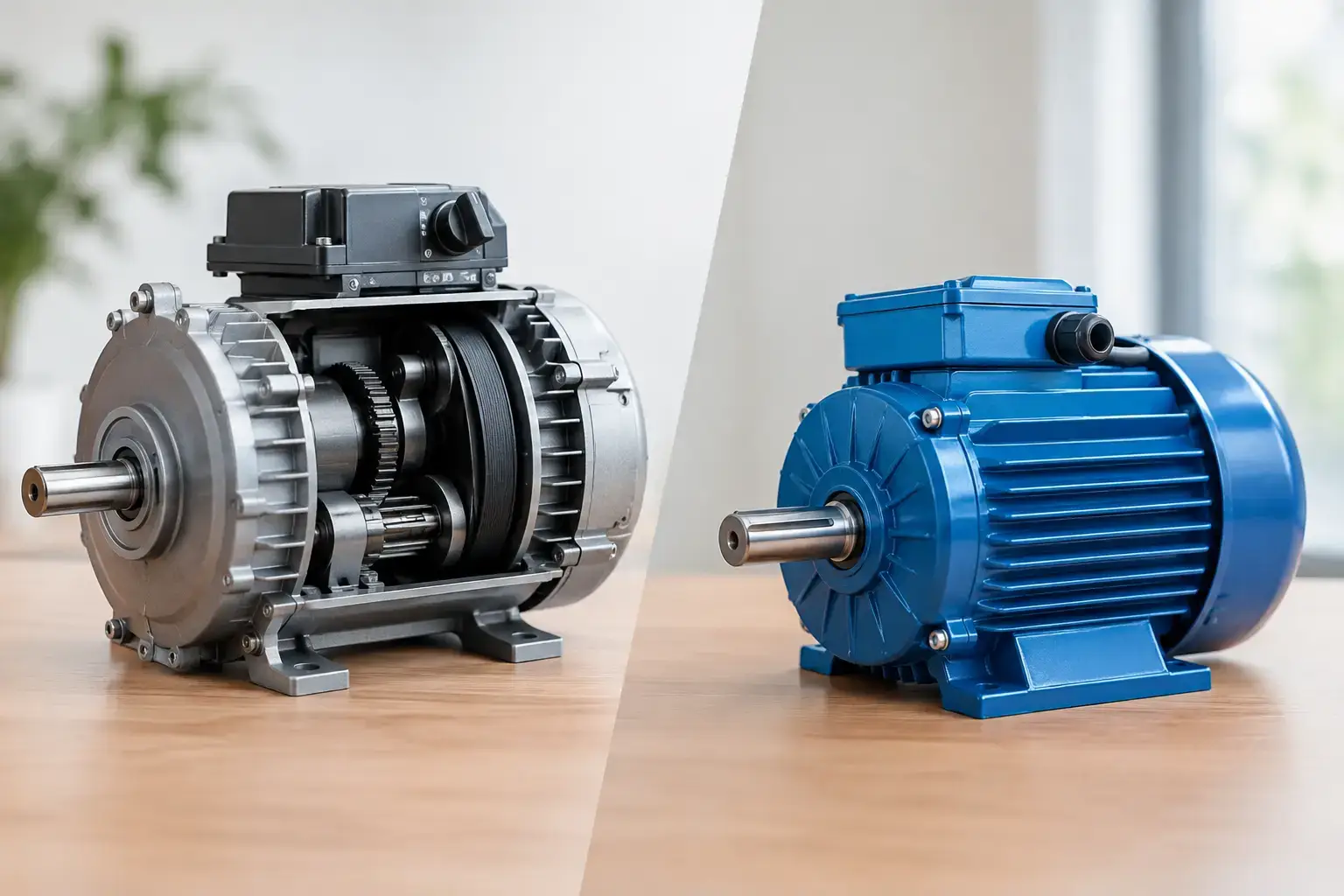
A single-speed HVAC component has one operating setting: on at full output or off. Depending on the equipment, this may refer to the blower motor, the air conditioner compressor, or both. When the thermostat calls for cooling or heating, the system starts and runs at its designed capacity until the thermostat setting is reached.
A variable-speed system can adjust its output. Rather than cycling at 100% capacity every time it turns on, it can run at lower speeds for longer periods and increase capacity when outdoor temperatures or indoor demand rise. It does not mean the system runs constantly at maximum power. In many cases, it runs gently and steadily to maintain the temperature you selected.
There are also systems that fall between these two options. Two-stage equipment, for example, typically runs at a lower setting most of the time and switches to high output during more demanding conditions. A professional evaluation can help determine whether single speed, two-stage, or variable speed equipment is the most practical fit.
How Single-Speed HVAC Systems Perform
Single-speed equipment remains a common and dependable choice. Its design is straightforward, and it can provide reliable cooling and heating when it is properly sized, installed, and maintained.
When a single-speed air conditioner starts, it delivers full cooling capacity. That can be helpful during a very hot afternoon when a building needs to recover quickly after doors have been opening, sunlight has been heating the space, or many people are indoors. The trade-off is that full-capacity cycles can be shorter. The system may cool the air quickly, then shut off until the temperature rises again.
For many homes, especially smaller homes with consistent occupancy and manageable humidity, a single-speed system is a sensible solution. The upfront cost is generally lower than a variable-speed model, and repairs can sometimes be less complex. It is also a practical option when replacing older equipment on a limited budget.
However, short cooling cycles do not always provide the most even comfort. Temperature swings between cycles can be more noticeable, and humidity removal may be less effective during mild but muggy weather. A single-speed blower may also be louder at startup and while operating because it is always moving air at one setting.
What Variable-Speed Equipment Changes
Variable-speed equipment is designed for more precise comfort control. It can make small adjustments to match what the home or commercial space needs at a given moment. Instead of waiting for a larger temperature change before responding at full power, it can often maintain conditions with lower, steadier operation.
More Consistent Room-to-Room Comfort
Longer, lower-speed operation can circulate air more consistently through the ductwork. That may reduce hot and cold spots, particularly in multi-story homes, larger homes, offices, retail spaces, and buildings with rooms that receive different amounts of sun.
Variable speed will not solve every uneven-temperature problem on its own. Leaky ductwork, poor insulation, an incorrectly sized system, blocked vents, or thermostat placement can still affect comfort. But when the duct system and equipment are properly matched, variable speed can provide a noticeably steadier indoor temperature.
Better Humidity Control
Humidity is one of the strongest reasons local homeowners consider variable-speed cooling. Air conditioners remove moisture as they cool. When a system runs longer at lower capacity, it often has more time to pull moisture from the air.
That can make a home feel more comfortable at a slightly higher thermostat setting and may reduce the sticky feeling common during North Carolina summers. Lower indoor humidity can also support better indoor air quality by making conditions less favorable for mold growth. It is not a substitute for correcting moisture problems, water leaks, or ventilation issues, but it can be a meaningful part of an overall comfort plan.
Quieter Operation
Because a variable-speed blower and compressor often operate at lower output for much of the day, the system can be quieter than equipment that repeatedly starts at full capacity. This is particularly valuable when an outdoor unit is near a patio or bedroom, or when a business needs a calmer environment for customers and employees.
Potential Energy Savings
Variable-speed systems can use less energy over time because they do not always operate at maximum output. Their efficiency is most noticeable when the system has been correctly sized and installed, the ductwork is in good condition, and the thermostat is programmed appropriately.
Savings are not guaranteed at the same level for every property. A home with major air leaks, undersized return ducts, or neglected maintenance may not see the full benefit of high-efficiency equipment until those underlying issues are addressed.
Cost: Look Beyond the Installation Price
A variable-speed HVAC system usually costs more upfront than a comparable single-speed system. The equipment includes more advanced controls and components, and proper installation requires careful system design. For some households and facilities, the initial investment is well worth it because comfort, quiet operation, and humidity control are priorities.
For others, a quality single-speed system may provide the best value. If the property is smaller, the existing ductwork is limited, or the system is used only part of the year, the added cost of variable-speed equipment may take longer to justify.
It is also worth considering the complete project, not just the outdoor unit. Equipment sizing, return-air capacity, duct condition, thermostat compatibility, insulation, and drainage all influence performance. Installing premium equipment without addressing airflow problems can lead to disappointment and unnecessary wear.
Choosing for a Home or Commercial Property
A single-speed system may be a strong choice if you want dependable basic comfort, have a firm replacement budget, and your home has few ongoing humidity or uneven-temperature concerns. It can also make sense for certain light commercial applications where the building load is predictable and simple operation is preferred.
Variable speed may be worth considering if your home has persistent humidity, rooms that never seem to match the thermostat, or noise concerns. It is often a good fit for households where people are home throughout the day, as well as commercial spaces that need stable comfort for customers, tenants, staff, or sensitive equipment.
For commercial operators, the decision should also account for occupancy patterns, business hours, ventilation requirements, and the cost of an uncomfortable space. A restaurant, medical office, retail store, or office may have very different cooling demands than a residence. System reliability and serviceability should remain part of the conversation alongside efficiency.
Proper Sizing Matters More Than a Feature List
The best HVAC system is not automatically the one with the highest efficiency rating or the most settings. It is the system that is correctly sized for the building and installed to support proper airflow.
An oversized system can cool too quickly and shut down before removing enough humidity. An undersized system may run for long periods without keeping up during extreme weather. A qualified contractor should assess the square footage, insulation, windows, ductwork, building layout, occupancy, and existing comfort concerns before recommending replacement equipment.
Routine maintenance remains essential for either option. Clean filters, clear drain lines, properly charged refrigerant, clean coils, and inspected electrical components help protect efficiency and reduce the risk of unexpected breakdowns.
If you are deciding between equipment options, start with the comfort problems you want to solve rather than a brand name or a single feature. A clear, honest assessment from PR Mechanical can help you choose equipment that supports dependable comfort now and for the years ahead.