A furnace rarely chooses a convenient time to fail. It may start making new noises during a cold Monroe morning, run constantly without warming every room, or stop altogether just when your family or tenants need heat most. Good furnace replacement timing means looking beyond a single repair bill and deciding whether your system can still provide safe, dependable, and reasonably efficient comfort.
For homeowners, replacing a furnace is a significant decision. For commercial property operators, it can affect employee comfort, customer experience, equipment protection, and day-to-day operations. The right answer depends on the furnace’s age, condition, repair history, performance, and the consequences of an unexpected breakdown.
Start With Age, but Do Not Stop There
Most furnaces last about 15 to 20 years when they receive regular professional maintenance. Some well-maintained systems may operate longer, while neglected units can develop major issues much earlier. Age is a useful starting point because older equipment often becomes less efficient and more expensive to repair, but it is not an automatic reason to replace a furnace that is operating safely and reliably.
If your furnace is under 10 years old, a repair is often the practical choice unless the issue is unusually serious. Between 10 and 15 years, it makes sense to compare repair costs, efficiency, and the system’s overall condition. Once a furnace is 15 years or older, replacement deserves a more serious conversation, especially if repair calls are becoming routine.
The key question is not simply, “How old is it?” Ask, “Can this system reliably carry us through another heating season without creating avoidable costs or comfort problems?”
Signs Your Furnace May Be Near Replacement
A furnace does not need to quit completely before replacement becomes the better investment. Performance changes often provide an earlier warning, and addressing them before a full failure gives you more control over your budget and schedule.
Uneven temperatures are one common sign. If some rooms stay chilly while others become too warm, the issue could be a furnace problem, ductwork concern, thermostat setting, or airflow restriction. A professional diagnosis matters because replacing equipment will not solve a ductwork issue on its own. Still, an aging furnace that can no longer move or produce heat effectively may be part of the problem.
Rising utility bills also deserve attention. Winter energy costs can change with weather and household usage, but a noticeable increase without a clear explanation may indicate declining furnace efficiency. Older systems can lose performance over time, particularly when components are worn, airflow is restricted, or maintenance has been delayed.
Watch for repeated repairs, unusual sounds, frequent cycling, yellow burner flames, excess dust, or a furnace that takes much longer to heat the building than it once did. A yellow flame, soot, or signs of combustion trouble should never be treated as a routine inconvenience. Turn off the system if you suspect a safety concern, make sure carbon monoxide detectors are working, and arrange professional service promptly.
When Repair Still Makes Sense
Replacement is not always the most honest recommendation. A newer furnace with a single failed part, clean operation, and a good maintenance history can often be repaired cost-effectively. Replacing a capacitor, igniter, thermostat, or other serviceable component may restore dependable operation without requiring a major investment.
A repair also may be reasonable for an older furnace if the issue is minor and you need time to plan for a future installation. In that situation, the goal is not to pretend the system is new. It is to make a clear, informed decision: repair now, monitor performance, and begin setting aside funds or reviewing financing options for replacement before an emergency forces the timeline.
The repair-versus-replace decision becomes harder when a major component fails. A damaged heat exchanger, recurring blower motor issues, or substantial control-board repairs can change the math quickly, particularly on equipment near the end of its expected service life. The right comparison includes the cost of the repair, the likelihood of another repair, the remaining warranty, current energy use, and the value of avoiding a mid-season failure.
Furnace Replacement Timing and the Best Season to Plan
The best furnace replacement timing is usually before your existing equipment becomes an emergency. In the Charlotte-area climate, early fall is often an ideal planning period because the heaviest heating demand has not yet arrived. Scheduling is generally more flexible than during the first major cold spell, and you have time to consider equipment options instead of making a rushed decision.
Spring can also be a good time to evaluate an aging furnace, especially after you have seen how it performed through winter. If it struggled to keep up, needed repairs, or produced unusually high energy bills, you can address the issue before the next heating season.
That said, a furnace should be replaced whenever safety, reliability, or operational needs require it. A business with temperature-sensitive inventory or a facility serving customers cannot always wait for the ideal season. Likewise, a homeowner with an unsafe or unreliable unit should not delay simply because it is January. Fast, reliable service matters most when comfort and safety are already at risk.
Look Beyond the Furnace Itself
A new furnace can improve comfort and efficiency, but the installation should account for the entire heating system. Proper sizing is especially important. A furnace that is too small may struggle during cold weather. One that is oversized can cycle on and off too often, create temperature swings, and add unnecessary wear.
A qualified contractor should consider the building’s square footage, insulation, windows, layout, ductwork, airflow, and heating needs rather than selecting equipment based only on the size of the existing furnace. Older equipment may have been incorrectly sized from the beginning, or the home may have changed through renovations, additions, or improved insulation.
Ductwork deserves careful attention as well. Leaky, undersized, disconnected, or poorly balanced ducts can waste heated air and leave rooms uncomfortable even with a new furnace. Thermostat upgrades, filtration improvements, and indoor air quality solutions may also be worth discussing during a replacement project. These decisions should be based on your actual comfort concerns, not added for the sake of a larger project.
Budget for the Full Value of Replacement
The upfront price of furnace replacement varies based on fuel type, efficiency level, capacity, installation complexity, necessary ductwork changes, and accessory choices. A higher-efficiency unit may cost more initially but can reduce operating costs over time. Whether that upgrade makes financial sense depends on how long you expect to own the property, how much you use the system, and the condition of the rest of the HVAC equipment.
For commercial properties, downtime and reliability may carry as much weight as utility savings. A planned installation can be coordinated around business hours and occupancy needs. An emergency failure may leave fewer equipment choices and more pressure on the operating budget.
Ask for clear explanations of the proposed equipment, labor, warranty coverage, and any additional work needed for a proper installation. Honest pricing means understanding what is included before work begins. It also means being told when a repair is still a reasonable option.
Make the Decision With a Professional Assessment
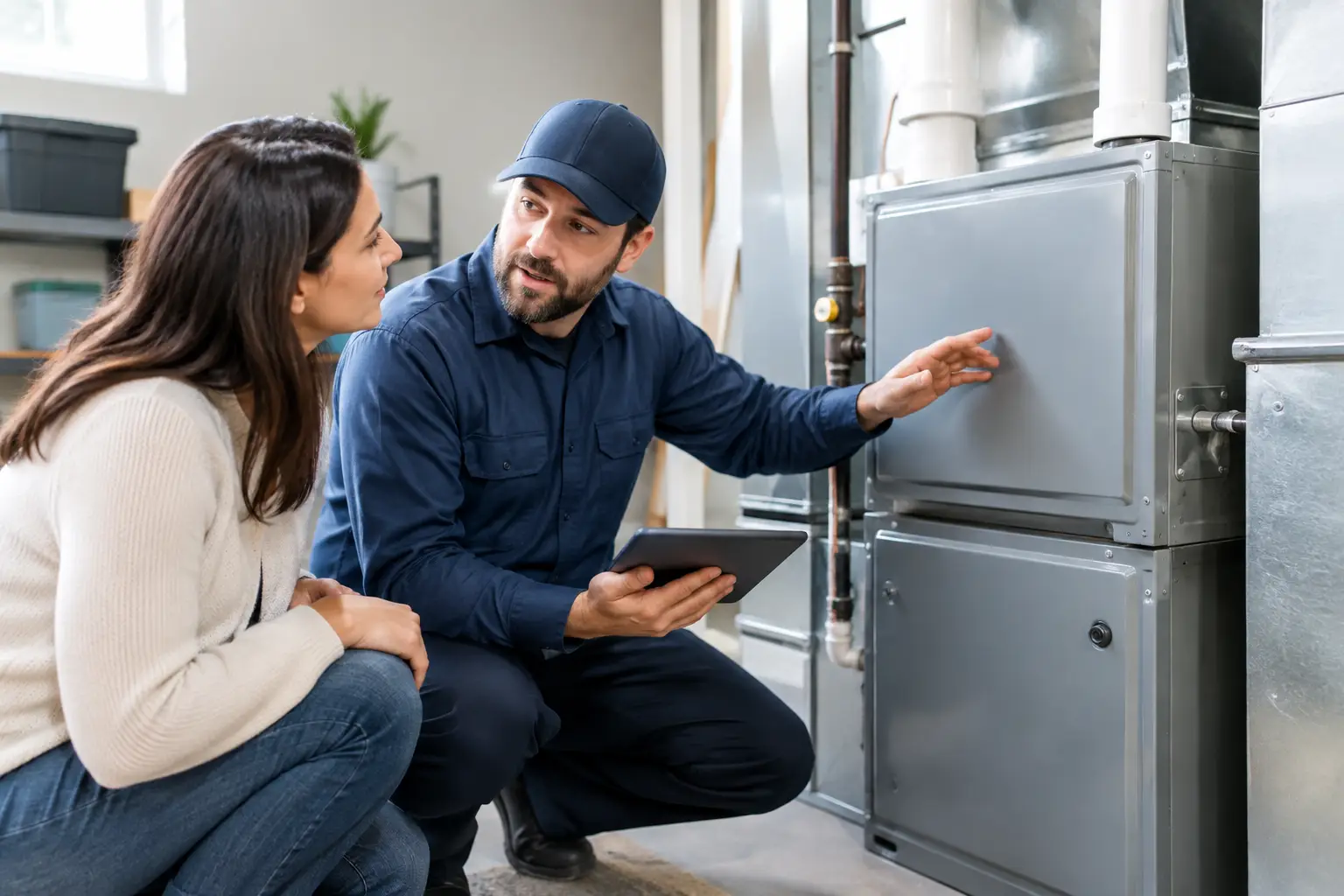
A professional furnace inspection can separate a repairable issue from a system that is nearing the end of its useful life. At PR Mechanical, the goal is to explain what the equipment is doing, what repairs would address, and what replacement would change for your comfort, budget, and peace of mind.
If your furnace is approaching 15 years old, has needed more than one meaningful repair recently, or no longer heats your space consistently, do not wait for the next cold snap to learn its limits. A planned conversation now can give you better choices, a clearer budget, and a warmer, more dependable season ahead.