A North Carolina summer can expose an air conditioner that has been struggling quietly for months. A winter cold snap can do the same to a furnace or heat pump. This home HVAC maintenance guide helps homeowners catch smaller issues early, protect day-to-day comfort, and make informed decisions about when professional service is needed.
Regular maintenance is not about trying to repair every part of your system yourself. It is about handling the simple tasks that support performance, recognizing warning signs, and scheduling skilled service before a breakdown disrupts your home.
Start With the Air Filter
Your HVAC filter is one of the simplest and most valuable maintenance items in the house. It captures dust, pet dander, pollen, and other airborne particles before they build up inside the equipment and circulate through your rooms.
Check the filter monthly, especially during peak heating and cooling seasons. Most homes need a replacement every one to three months, but the right schedule depends on the filter type, how often the system runs, whether you have pets, and local pollen levels. A home with multiple pets or allergy concerns may need more frequent changes.
A dirty filter can restrict airflow. That makes the system work harder, may leave rooms unevenly heated or cooled, and can contribute to higher energy bills. It can also put unnecessary strain on components that are more expensive to repair than a filter is to replace.
Use the filter size and airflow rating recommended for your system. Higher-rated filters can capture more particles, but a filter that is too restrictive for the equipment can reduce airflow. If indoor air quality is a concern, a professional can help identify options that improve filtration without compromising system performance.
Keep Outdoor Equipment Clear
Your outdoor AC condenser or heat pump needs room to release heat effectively. Leaves, grass clippings, mulch, and overgrown shrubs can block airflow around the unit, causing it to run longer than necessary.
Keep at least two feet of open space around the outdoor unit. Trim back vegetation, remove debris by hand, and avoid piling landscaping materials against it. After mowing, brush away grass clippings from the cabinet and coil area. Do not use a pressure washer or bend the delicate coil fins, since either can damage the equipment.
If you notice a heavy layer of dirt on the coil, visible fin damage, or ice forming on the unit, it is time to call for service. Ice is not a normal maintenance issue. It can point to restricted airflow, a refrigerant problem, or another condition that needs proper diagnosis.
Use Your Thermostat With Purpose
Your thermostat has a direct effect on comfort, energy use, and equipment runtime. Set temperatures that fit your household routine instead of making frequent dramatic adjustments. Dropping the thermostat far below the current indoor temperature will not cool the home faster. It only tells the system to run longer.
Programmable and smart thermostats can help maintain consistent settings while reducing unnecessary runtime when the home is empty or everyone is asleep. They are useful tools, but they need to be installed correctly and matched to the type of HVAC system you have.
Replace thermostat batteries if applicable, make sure the thermostat is level and secure, and keep lamps, direct sun, and heat-producing appliances away from it. These influences can cause inaccurate readings. If your system cycles on and off too often, ignores the set temperature, or has trouble switching between heating and cooling, the thermostat may be involved, but it is not always the only cause.
A Seasonal Home HVAC Maintenance Guide
Before Cooling Season
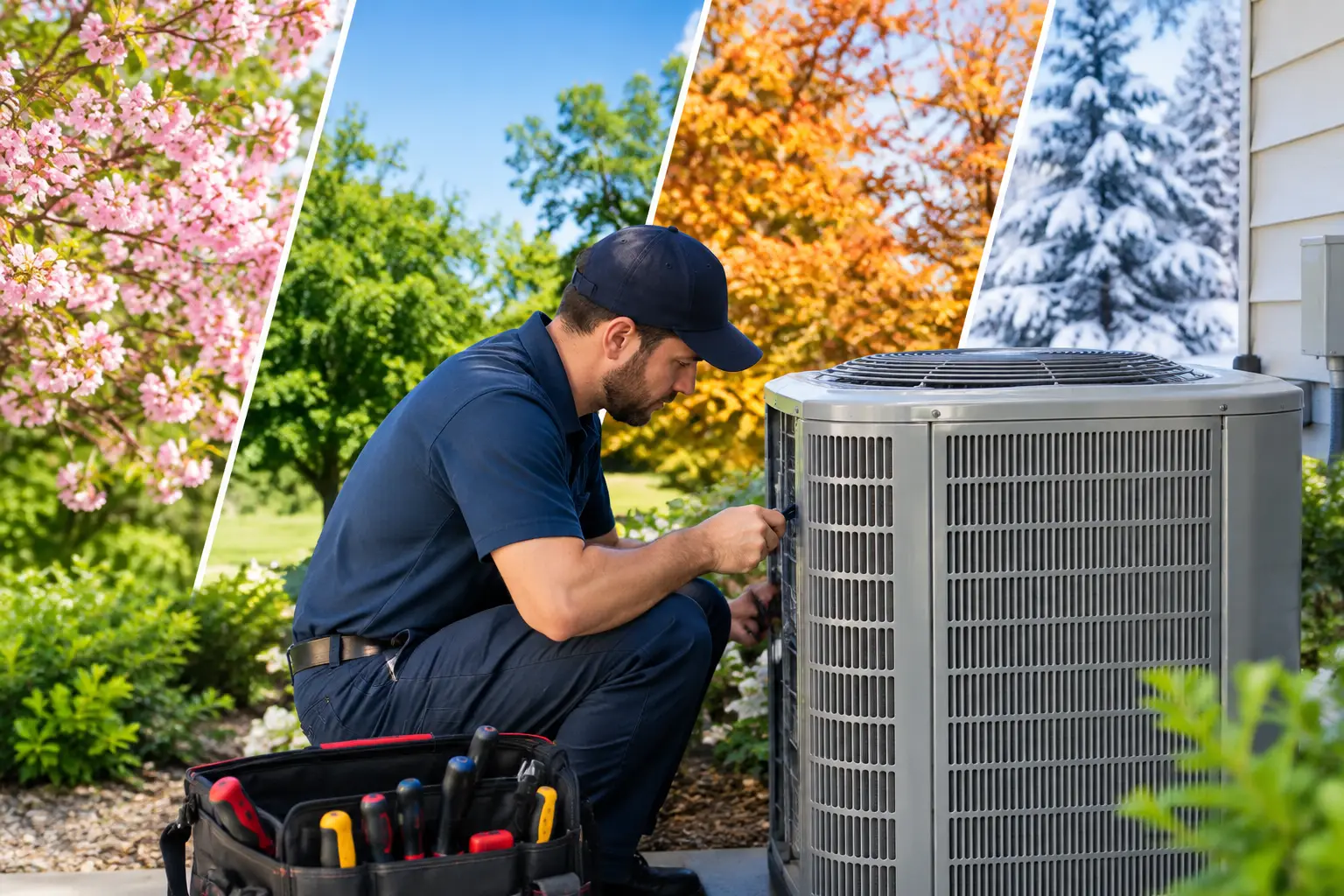
Spring is a practical time to prepare for the heat and humidity common around Monroe and the Charlotte area. Replace the filter, clear the outdoor unit, and run the AC before the first truly hot week arrives. Listen for unusual noises and check whether cool air reaches each room.
Pay attention to comfort, not just whether the system turns on. A unit that runs but cannot keep up, blows weak air, or leaves one side of the house warm may have an airflow, ductwork, refrigerant, or equipment issue. Addressing it early can be more convenient than waiting until demand is high during a heat wave.
Before Heating Season
Before temperatures drop, test your furnace or heat pump in heating mode. A brief dusty smell when the heat first runs can be normal after a long break, but persistent burning odors, loud banging, or repeated shutdowns are not.
For gas furnaces, make sure carbon monoxide detectors are working and have fresh batteries. Never ignore a gas smell, soot around the unit, or a yellow furnace flame. Turn the system off if it is safe to do so and seek professional help promptly. Safety concerns should always take priority over trying to troubleshoot the equipment yourself.
During the Year
Walk through your home occasionally while the system is operating. Check supply vents for steady airflow and make sure furniture, rugs, or curtains are not blocking them. Keep most vents open unless a technician has advised otherwise. Closing too many registers can affect system pressure and may not produce the energy savings homeowners expect.
Also look at visible ductwork in attics, crawl spaces, or utility areas. Loose connections, torn insulation, and obvious gaps can waste conditioned air. Duct problems often show up as uneven temperatures, excess dust, or rooms that never seem comfortable.
Protect Your Condensate Drain
Air conditioners and heat pumps remove moisture from indoor air. That moisture drains through a condensate line. In humid weather, algae and debris can clog the line, leading to water around the indoor unit, ceiling stains, musty odors, or a system shutdown if a safety switch is present.
Check the area around the indoor equipment for moisture, rust, or standing water. Some homeowners can flush a drain line as part of routine care, but the correct method depends on the equipment setup. If the drain repeatedly clogs, it is better to have the cause evaluated than to keep treating the symptom.
Know When Maintenance Becomes a Repair Call
Maintenance can prevent many avoidable problems, but it cannot eliminate wear. Motors, capacitors, electrical connections, refrigerant components, and heat exchangers need professional inspection and repair when they fail or begin to decline.
Call for service when you notice persistent changes in performance. These include warm air from the AC, cool air from the heat, short cycling, unusual grinding or squealing, rising utility bills without a clear reason, water leaks, uneven room temperatures, or frequent breaker trips. Waiting can turn a manageable repair into a larger disruption.
For commercial property operators, early action is especially valuable. An uncomfortable sales floor, office, restaurant, or tenant space can affect employees, customers, inventory, and daily operations. Scheduled inspections help facility managers plan for repairs and replacements rather than responding only after equipment failure.
Why Professional Tune-Ups Still Matter
Homeowner maintenance supports the system, but a professional tune-up covers the components you should not have to handle. A technician can inspect electrical connections, test safety controls, evaluate airflow, clean critical components, check refrigerant performance where appropriate, assess drainage, and identify developing concerns.
The ideal schedule depends on your equipment and usage. Many homes benefit from service before the cooling season and again before heating season, particularly when a heat pump handles both jobs. Systems that are older, heavily used, or serving homes with indoor air quality concerns may need closer attention.
A good maintenance visit should provide clear communication. You should understand what was checked, what is working well, what needs attention now, and what may need planning later. Honest recommendations make it easier to budget for repairs or replacement without pressure or confusion.
Comfort should not depend on hoping your HVAC system makes it through another season. A clean filter, clear outdoor unit, working thermostat, and timely professional inspection give your home a stronger foundation for reliable heating and cooling. When something does not feel right, acting early is often the simplest path back to comfort you can count on.