A July electric bill that jumps even though the thermostat barely moves is more than a budget problem. It is often a sign that conditioned air is escaping, equipment is working harder than it should, or comfort is uneven from one room to the next. HVAC energy audits help homeowners and commercial property operators find the source of that waste before it becomes another season of high utility costs and avoidable repairs.
An audit is not simply a quick look at an air conditioner or furnace. It is a practical evaluation of how the entire comfort system performs: the equipment, thermostat settings, ductwork, airflow, insulation conditions, and the building itself. For properties in Monroe and the greater Charlotte area, where humid summers place real demands on cooling equipment, those details can make a noticeable difference.
What HVAC Energy Audits Actually Measure
Your HVAC system does not operate in isolation. An efficient heat pump, air conditioner, or furnace can still deliver poor results if duct connections leak in an attic, return airflow is restricted, or rooms lose cooled air through gaps around doors and windows. A useful energy audit looks at the relationship between these issues instead of assuming the equipment alone is at fault.
A technician may begin by discussing comfort concerns and reviewing energy use patterns. Is the upstairs consistently warmer? Does the system run for long stretches without reaching the set temperature? Do certain offices receive too much cooling while others feel stuffy? These observations guide the inspection and help distinguish a normal weather-related increase from a correctable performance issue.
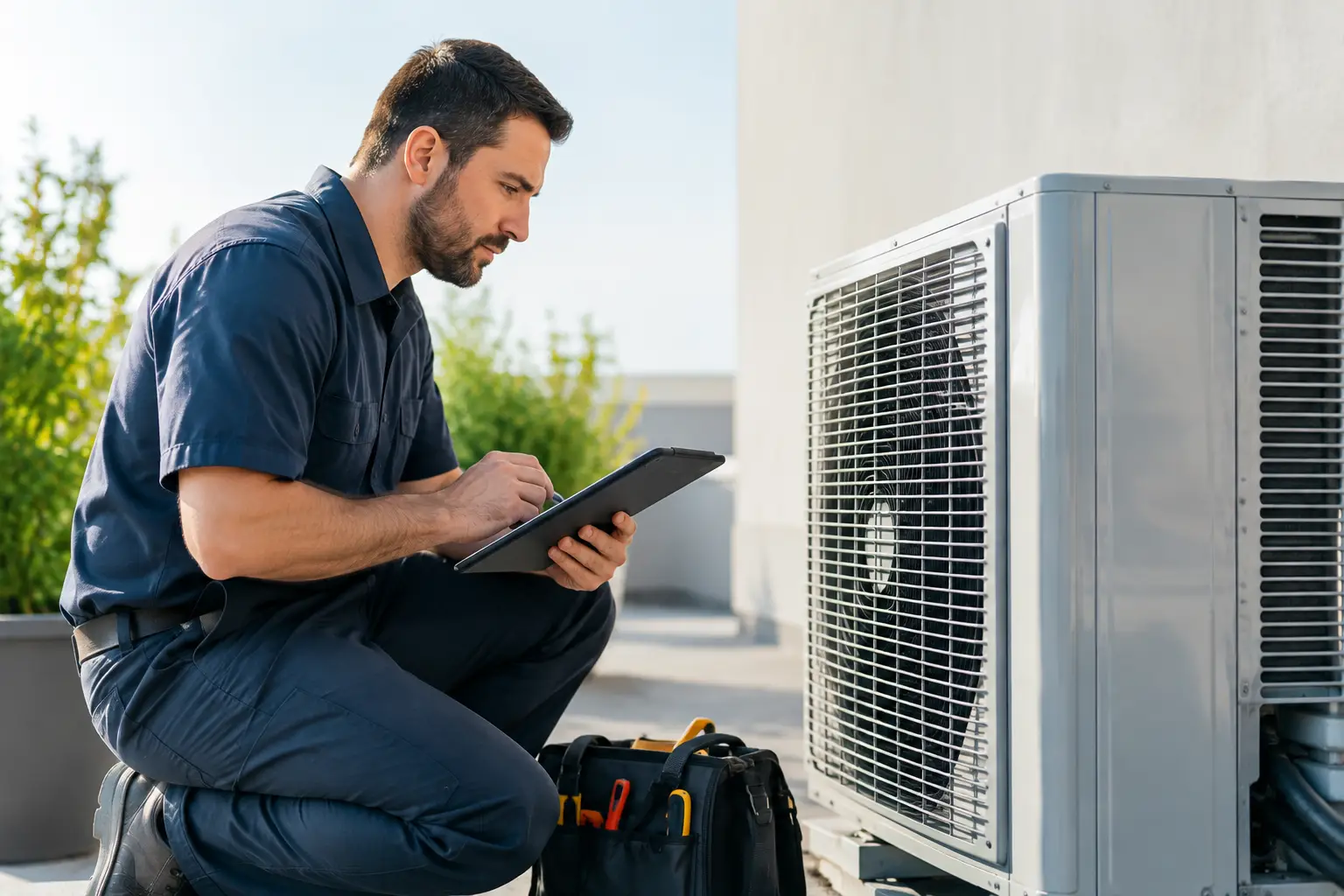
The physical inspection commonly includes the condition and sizing of HVAC equipment, filter condition, thermostat operation, visible ductwork, vents and returns, refrigerant and electrical components as appropriate, and signs of air leakage or moisture. For a more detailed assessment, testing may measure airflow, temperature change across the system, static pressure, duct leakage, and building air leakage.
The goal is not to produce a complicated report full of numbers with no direction. It is to identify where energy is being lost, explain why it matters, and prioritize improvements that support reliable comfort.
Common Problems an Energy Audit Can Reveal
Many expensive comfort problems begin with smaller system imbalances. An energy audit can uncover issues that are easy to miss during everyday use.
Leaky or poorly insulated ducts are a frequent concern, particularly when ducts run through hot attics, crawl spaces, or unconditioned areas. Cooled air can escape before it reaches living spaces, while warm, humid air can be pulled into the system. The result may be long cooling cycles, uneven room temperatures, and higher utility bills.
Airflow restrictions are another common finding. A clogged filter is the simplest example, but undersized return ducts, blocked supply registers, damaged flex duct, and dirty indoor coils can also limit airflow. When air cannot move properly, equipment may operate longer and experience more strain. In commercial spaces, airflow problems can affect employee comfort, customer experience, and sensitive equipment areas.
Thermostat placement and programming also matter. A thermostat located near a sunny window, kitchen, exterior door, or heat-producing equipment may read the space inaccurately. Older controls may not offer scheduling features that fit a family’s routine or a business’s occupied hours. A smart thermostat can help in the right application, but it cannot correct leaking ducts or incorrectly sized equipment.
An audit may also point to building-envelope concerns such as inadequate attic insulation, air gaps around penetrations, or poor weatherstripping. HVAC equipment then has to make up for heat entering the building in summer and escaping during winter. Addressing these conditions can reduce the demand placed on the system, which is often more cost-effective than replacing equipment prematurely.
When an HVAC Energy Audit Makes Sense
You do not have to wait for an HVAC failure to schedule an audit. It is especially worthwhile when a building sends consistent warning signs: energy costs rising without a clear explanation, rooms that never match the thermostat setting, excess humidity, frequent repairs, or systems that run almost constantly.
It is also smart to request an evaluation before a major equipment replacement. A new high-efficiency unit may be a good investment, but selecting it based only on the size of the existing system can repeat an old mistake. If the current unit was oversized, undersized, or paired with inadequate ductwork, installing a similar replacement may not solve the comfort problem.
For business owners and facility managers, an audit can be valuable when tenant complaints increase, operating costs climb, or a remodel changes how a space is used. A restaurant, retail store, office, warehouse, and medical facility each have different heat loads, occupancy patterns, and ventilation needs. What works for one space may not work for another.
Older homes can benefit greatly, but newer properties are not automatically exempt. Construction changes, settling, renovations, and overlooked duct defects can all affect performance. Even a well-maintained system deserves a closer look when comfort and energy use no longer seem to match.
What Happens After the Audit
The best next step depends on what the evaluation finds. Some recommendations are straightforward, such as changing filters regularly, clearing blocked registers, adjusting thermostat schedules, or sealing minor air leaks. Others may require professional work, including duct sealing, duct repair, adding returns, cleaning coils, correcting drainage issues, improving insulation, or repairing HVAC components.
Major upgrades should be considered carefully. Replacing an aging system can reduce energy use and improve reliability, especially if repairs are becoming frequent. Still, replacement is not always the first or only answer. If equipment is in good condition but airflow and duct losses are the real problem, targeted repairs may offer a better return on investment.
A reputable contractor should explain the order of recommended work. In many cases, it makes sense to address air leakage, insulation, duct performance, and maintenance needs before finalizing equipment size. This approach helps prevent paying for capacity that the building does not actually need.
Cost savings will vary. They depend on the age and condition of the system, the severity of the issues, local utility rates, building size, occupancy, and how the space is used. Honest recommendations should avoid promising a specific savings number before the property has been assessed. Comfort gains are often just as valuable as lower bills: steadier temperatures, better humidity control, quieter operation, and fewer hot or cold spots.
Residential and Commercial Audits Have Different Priorities
At home, the focus is usually on family comfort, monthly expenses, humidity, and protecting the life of the HVAC system. A homeowner may notice that bedrooms are uncomfortable at night or that one floor is always warmer than another. The audit should translate those symptoms into clear options, not technical jargon.
Commercial properties require a broader operational view. Equipment downtime can interrupt business, frustrate tenants, and create problems for staff and customers. Building schedules may vary from day to day, and different areas may need different temperature control. Ventilation requirements, rooftop units, zoning, and maintenance access can add complexity.
That does not mean commercial energy improvements must happen all at once. A phased plan can address urgent reliability concerns first, then schedule efficiency upgrades around budget cycles and operating hours. This is often the practical choice for facilities that cannot afford disruption.
Make the Findings Last
An audit provides a starting point, not a permanent fix by itself. Ongoing maintenance keeps the improvements working. Filters should be checked on schedule, outdoor units kept clear of debris, vents left open and unobstructed, and unusual noises or comfort changes addressed early.
Seasonal HVAC service is equally important in North Carolina, where cooling systems work hard through long warm periods and heating performance matters during sudden cold spells. Maintenance can catch worn parts, drainage problems, dirty coils, and airflow issues before they grow into a breakdown.
PR Mechanical can help turn audit findings into practical repairs, maintenance, ductwork improvements, or replacement recommendations with clear communication at every step. The right plan is the one that fits your building, your comfort concerns, and your budget – not a one-size-fits-all sales pitch.
If your property feels less comfortable than it should or your utility bills no longer make sense, an HVAC energy audit can replace guesswork with a clear path forward. Small corrections made before peak weather arrives can protect comfort when you need it most.