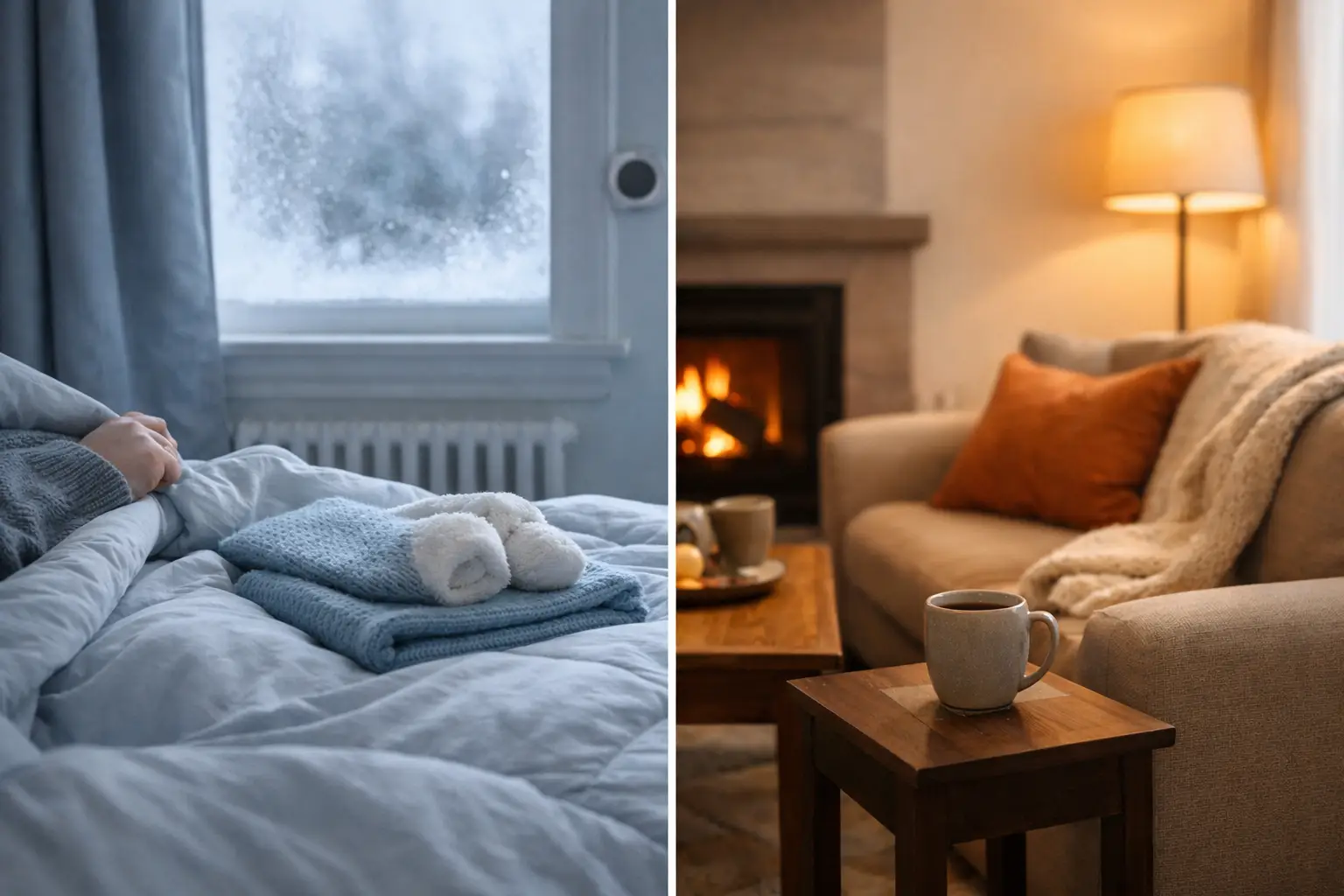
A bedroom that feels chilly while the living room is comfortable is more than a minor annoyance. It can disrupt sleep, raise energy bills, and lead you to keep adjusting the thermostat without solving the real problem. If you are asking, “why are some rooms colder,” the answer is usually a combination of airflow, heat loss, and how your HVAC system is designed or maintained.
In Monroe and the greater Charlotte area, changing winter temperatures can make uneven heating especially noticeable. A cold room does not always mean the furnace is failing. Sometimes the cause is simple, such as a closed vent or a blocked return grille. Other times, the issue points to ductwork, insulation, thermostat placement, or an HVAC system that needs professional attention.
Why Are Some Rooms Colder? Start With Airflow
Your heating system can only warm a room if enough conditioned air reaches it and has a way to circulate back through the home. Supply vents deliver warm air into a room. Return vents pull air back to the system to be heated again. When that balance is disrupted, rooms can feel noticeably different even when the thermostat says the system is working normally.
Start by checking that supply registers are fully open in the colder room. Furniture, rugs, curtains, and stored items can also block a register or return grille. A sofa placed over a return vent, for example, limits circulation and can leave that part of the home feeling stale and cool.
A dirty HVAC filter is another common culprit. As a filter collects dust and debris, it restricts airflow across the system. The rooms farthest from the furnace or air handler often show the problem first because they already have less airflow to spare. Replacing the filter on the schedule recommended for your system is a straightforward first step.
The problem may be inside the ducts
Ductwork carries heated air through attics, crawl spaces, walls, or ceilings before it reaches each room. Leaky connections, crushed flexible ducts, poor insulation, and improperly sized duct runs can reduce the amount of warm air arriving at distant rooms.
This is especially common in rooms over garages, additions, bonus rooms, and converted spaces. These areas may have longer duct runs and more exposure to outdoor temperatures. If the supply air is leaking into an unconditioned attic or crawl space, your system is paying to heat areas where no one lives.
Duct balancing can also be a factor. Some branches receive too much airflow while others receive too little. A trained technician can measure airflow, inspect accessible ducts, and make appropriate adjustments. Simply closing several vents in warmer rooms is not always the answer. Restricting too much airflow can increase system pressure and create other performance problems.
Heat Loss Can Make a Room Feel Colder
Even with adequate airflow, a room can lose heat faster than the rest of the house. Exterior walls, older windows, drafty doors, insufficient attic insulation, and unsealed gaps all allow cold outdoor air to affect indoor comfort.
North-facing rooms often receive less direct sun in winter. Rooms with multiple exterior walls can also cool down faster than interior spaces. A large bank of windows may look great, but older or poorly sealed windows can make the surrounding area feel cold even when the room temperature is close to the thermostat setting.
Check for obvious drafts around windows and exterior doors. Weatherstripping, door sweeps, and properly sealed gaps can make a meaningful difference. Window coverings may also reduce the chill near glass at night. If one room consistently feels cold and has poor insulation above it or beside it, an insulation upgrade may be more effective than increasing the thermostat setting.
The trade-off is worth considering: adding heat to compensate for a poorly insulated room may improve comfort temporarily, but it can increase utility costs and place extra demand on your HVAC equipment. Reducing the heat loss addresses the cause rather than treating the symptom.
Thermostat Location and Settings Matter
A single thermostat controls the temperature based on the conditions where it is installed. If it is located in a warm central hallway, near a sunny window, or close to the kitchen, it may satisfy the heating call before colder rooms reach a comfortable temperature.
This does not mean the thermostat is broken. It means one sensor is trying to represent an entire home with different exposures, levels, and room uses. Two-story homes often have additional challenges because warm air naturally rises, creating different comfort conditions upstairs and downstairs.
Programmable thermostats and smart thermostats can help, particularly when paired with compatible remote sensors. These sensors allow the system to consider temperatures in selected rooms at certain times of day. For example, a family may prioritize an upstairs bedroom overnight rather than the warmer main-floor hallway.
However, thermostat upgrades are not a cure for undersized ducts, major air leaks, or a struggling heating system. They work best after basic airflow and building-envelope issues have been evaluated.
System Size, Age, and Maintenance Can Affect Comfort
An HVAC system that is undersized may run for long periods without fully heating the home during colder weather. An oversized system can cycle on and off too quickly, which may lead to uneven temperatures and reduced comfort. Proper sizing depends on more than square footage. Home layout, insulation levels, window area, ceiling height, occupancy, and local climate all matter.
A system that once heated evenly but now leaves rooms cold may need maintenance or repair. Worn blower components, a failing heat pump, burner problems, refrigerant concerns in a heat pump system, or control issues can reduce heating performance. In homes with gas furnaces, safe operation is just as critical as comfort.
Annual heating maintenance gives a technician the opportunity to inspect system operation, test safety controls, check airflow, and identify developing problems before a cold snap exposes them. For commercial facilities, uneven heating can affect employee comfort, customer experience, and equipment conditions. Regular maintenance is often the best way to prevent a small comfort complaint from becoming an operational disruption.
When a Cold Room Needs Professional Diagnosis
A few homeowner checks can resolve simple issues, but recurring uneven temperatures deserve a closer look. Request professional service if you notice a room that stays cold despite open vents and a clean filter, weak airflow from one or more registers, unusual system noises, rapidly rising utility bills, or heating that runs constantly without keeping up.
Also act promptly if you smell gas, notice a burning odor that does not quickly fade after seasonal startup, see soot around furnace equipment, or have a carbon monoxide alarm activate. Leave the area as appropriate, follow safety guidance, and contact emergency services or your gas provider when needed. Heating equipment should never be ignored when a safety concern is present.
A comfort assessment should look beyond the thermostat. The technician may inspect the furnace or heat pump, blower performance, filter condition, duct connections, static pressure, registers, returns, insulation concerns, and thermostat operation. That full-picture approach helps avoid spending money on a replacement part when the real issue is an airflow or heat-loss problem.
Practical Steps You Can Take This Week
Before scheduling service, make a few observations that can help identify the pattern. Notice whether the room is cold all day or only at night, whether it is on the second floor or above a garage, and whether airflow from the vent feels weak compared with other rooms. Check that registers and returns are clear, replace an overdue filter, and make sure doors are not routinely closed in a way that prevents air from returning to the system.
Avoid using portable space heaters as a permanent fix. They can provide temporary relief when used according to manufacturer instructions, but they do not correct the underlying HVAC or insulation issue. They also add electrical demand and require careful placement away from bedding, curtains, furniture, and high-traffic areas.
For lasting comfort, the right solution may be as small as sealing a duct connection or as involved as improving insulation, adding zoning, adjusting ductwork, or evaluating system replacement. The right answer depends on the home, the room, and the condition of the equipment.
Comfort should be consistent, not something you have to negotiate room by room. PR Mechanical can help homeowners and commercial property operators identify what is causing uneven temperatures and recommend a clear, practical path toward dependable warmth.