If your home feels dusty again a day after cleaning, or your office has a lingering odor that never seems to leave, the issue may be more than housekeeping. Air purification can help address particles and pollutants that circulate through indoor spaces, especially when doors and windows stay closed during North Carolina’s humid summers or colder winter days.
Cleaner indoor air is not about making a room smell different. It is about reducing the airborne material that can affect comfort, including dust, pollen, pet dander, mold spores, smoke particles, and certain odors. The right solution depends on what is in the air, how your HVAC system is configured, and whether you are trying to improve one room or an entire building.
What Air Purification Can and Cannot Do
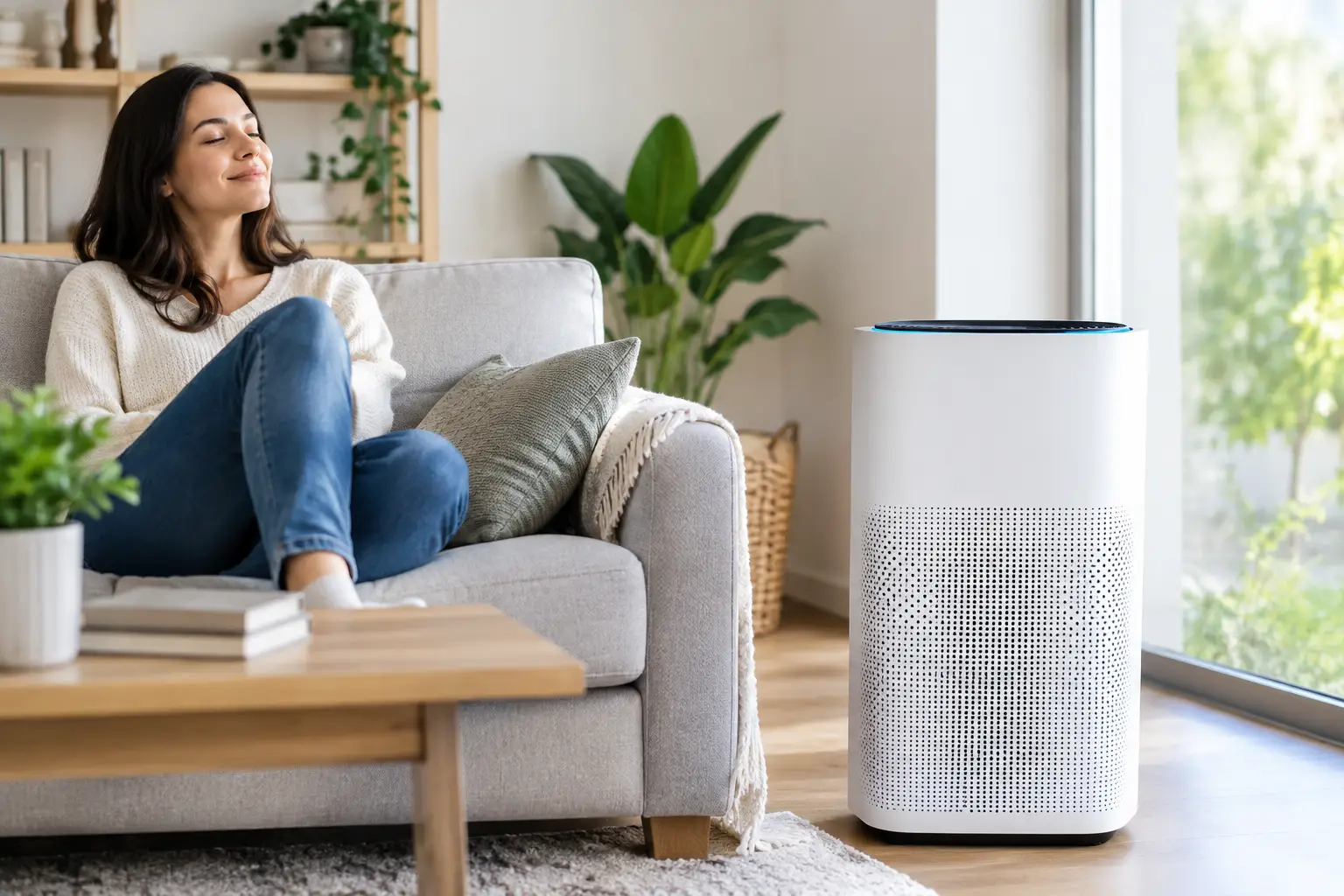
Air purification works by capturing, neutralizing, or reducing contaminants as air moves through a filter or treatment system. Portable units typically treat the air in one room. Whole-home systems work with your heating and cooling equipment, treating air as it moves through the return ducts and supply vents.
For many Monroe-area households, the most noticeable benefits are less visible dust, fewer allergy triggers indoors, and fresher-smelling air. In commercial settings, cleaner air can support a more comfortable environment for employees, customers, and visitors. It may also help protect HVAC equipment by reducing debris that would otherwise collect on coils and internal components.
Still, an air purifier is not a cure-all. It will not fix a roof leak, remove active mold growth behind a wall, solve excessive humidity, or make up for poor ventilation. If contaminants have a source inside the building, that source should be addressed first. A purifier is most effective as part of a larger indoor air quality plan.
Common Indoor Air Problems in North Carolina
The Charlotte area brings together several conditions that can affect indoor air. Spring pollen can enter when doors open or ride in on shoes and clothing. Summer humidity can make indoor spaces feel muggy and can contribute to mold concerns if the air conditioner is not removing moisture properly. Pet dander, cooking odors, cleaning products, and everyday dust add to the mix year-round.
Homes with older ductwork or poorly sealed returns can also pull dusty air from attics, crawl spaces, or wall cavities. In a business, high foot traffic and frequently opened entry doors can increase the particle load your HVAC system must handle. These issues do not always call for the same equipment, which is why identifying the problem matters before choosing a solution.
Signs Your Building May Benefit From Better Filtration
Frequent filter buildup, visible dust near vents, recurring odors, and allergy symptoms that seem worse indoors are all useful clues. So are rooms that feel stale even when the heating and cooling system is running. If an HVAC filter is dirty again far sooner than expected, there may be more airborne debris than the system is designed to manage.
A professional assessment can help separate an air-quality issue from an HVAC performance problem. For example, weak airflow can leave rooms stuffy, but the cause may be a clogged filter, leaking ductwork, an undersized return, or a blower issue rather than a need for an air purifier alone.
Choosing the Right Air Purification Approach
The best option depends on the size of the area, the type of contaminants involved, and the capacity of your HVAC system. A small portable unit can be practical for a bedroom, nursery, office, or other room where someone spends substantial time. It is often a good choice when the concern is limited to a specific space.
Whole-home air purification is usually a better fit when dust, odors, or allergy concerns affect several rooms. These systems are installed within or alongside the HVAC equipment and can treat conditioned air throughout the home. For commercial properties, equipment selection should also account for occupancy, building layout, operating hours, and ventilation requirements.
Start With the HVAC Filter
A quality HVAC filter is the first line of defense for many systems. Filters are rated by MERV, which describes how effectively they capture particles of different sizes. Higher ratings can capture smaller particles, but they can also restrict airflow if the system was not designed for them.
That trade-off matters. Installing the highest-rated filter available is not automatically the right decision. Too much resistance can strain the blower, reduce airflow, and hurt heating and cooling performance. An HVAC professional can recommend a filter rating that improves filtration without creating unnecessary stress on the equipment.
Consider HEPA and Media Filtration Carefully
HEPA filters are highly effective at capturing very small particles, but most standard residential HVAC systems cannot use a true HEPA filter without modification because of airflow resistance. A properly sized media air cleaner may offer a more practical whole-home option. It provides a larger filter surface than a standard one-inch filter, helping capture more particles while allowing air to move efficiently.
For a portable unit, look at the room size it is rated to serve and use it in the space where it will have the most impact. Keep doors and windows closed when possible, and remember that filters need regular replacement to keep working as intended.
Be Careful With Odor and Ionizing Products
Activated carbon can help reduce many odors and certain gaseous compounds, making it useful near kitchens, pet areas, or spaces affected by smoke. The amount of carbon matters, however. A thin carbon layer may provide only limited odor control.
Some devices use ionization or other electronic methods. Before choosing one, understand how it operates and whether it produces ozone. Ozone can irritate the lungs and is not a substitute for proper filtration, source control, humidity management, or ventilation. A clear explanation of a product’s operation should be part of any purchasing decision.
Air Purification Works Best With HVAC Maintenance
An air cleaner cannot perform well if the HVAC system has a dirty coil, a clogged drain, leaking ducts, or inadequate airflow. Routine maintenance helps the system move and condition air as designed, while filter changes prevent unnecessary buildup. This is especially important during the cooling season, when your air conditioner plays a key role in removing indoor moisture.
Humidity is often overlooked in indoor comfort. Air that is too humid can feel warmer, encourage musty odors, and create conditions that support mold growth. Air that is excessively dry can be irritating and uncomfortable. Depending on the building and the concern, the answer may involve HVAC repair, duct sealing, a dehumidifier, ventilation improvements, or filtration – not just one piece of equipment.
Duct cleaning is another area where the answer depends on conditions. It may be appropriate after major construction, a pest issue, visible contamination, or an unusual buildup of debris. It is not a replacement for regular filter changes or a solution to every dust problem. The goal should be to find the actual source of the issue rather than pay for a service that does not address it.
When to Call a Professional
If you notice persistent musty odors, visible mold, water damage, worsening respiratory symptoms indoors, or a sudden increase in dust, it is worth having the situation evaluated. Businesses should also act quickly when air concerns affect employee comfort, customer experience, inventory, or daily operations.
PR Mechanical can assess how your heating, cooling, filtration, ductwork, and humidity control work together. A clear recommendation should explain what is causing the concern, what options fit the building, and where the real value lies – without making the solution more complicated than it needs to be.
The best next step is often simple: replace the filter with the correct type, pay attention to when odors or symptoms occur, and have persistent concerns checked before they become larger comfort or equipment problems.