
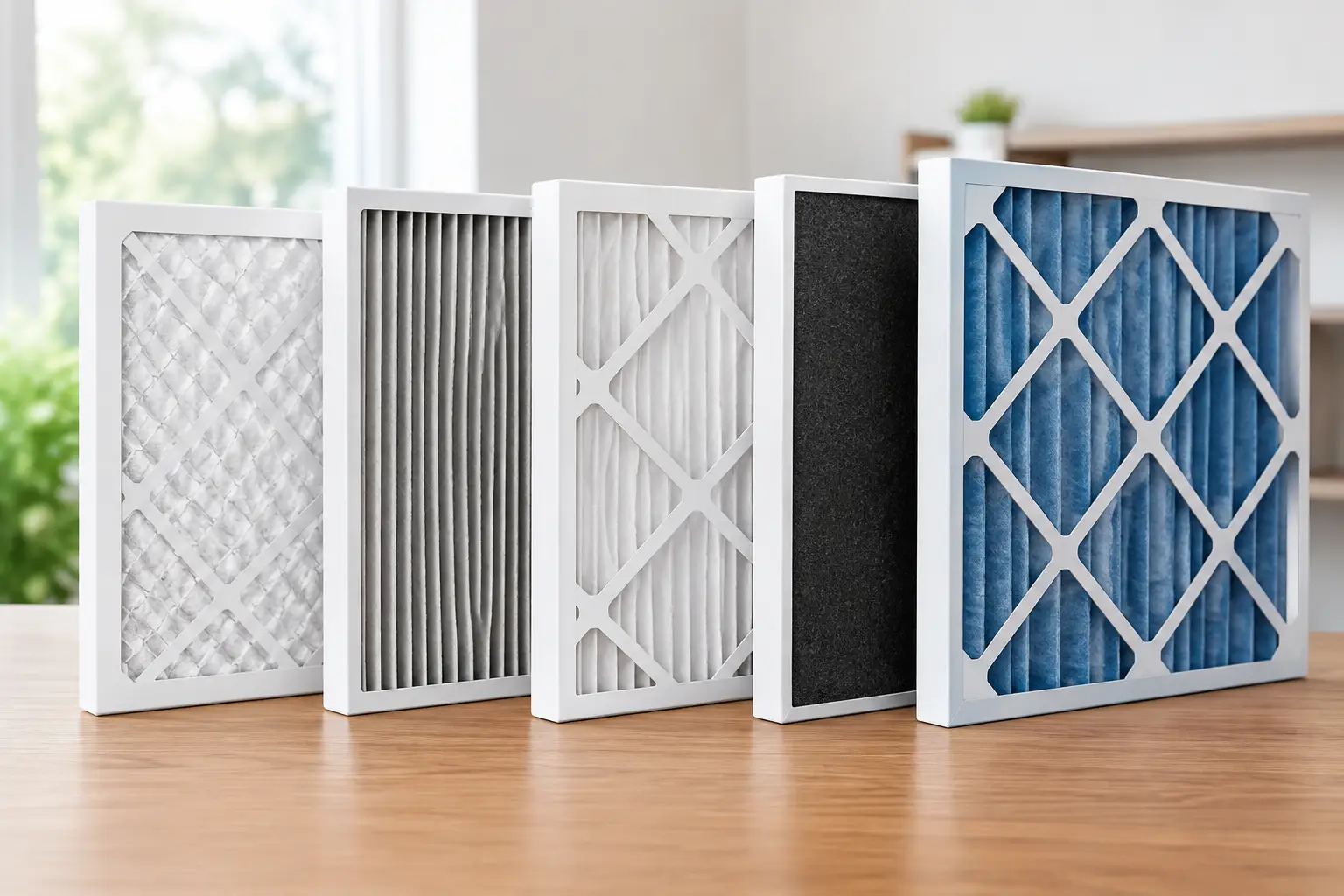
A filter that looks clean can still be doing very little for your indoor air, while a filter with the highest number on the package can create problems if your HVAC system cannot handle it. This MERV ratings comparison explains what those numbers mean and how to choose a filter that supports cleaner air, dependable comfort, and proper system airflow.
What a MERV Rating Measures
MERV stands for Minimum Efficiency Reporting Value. It is a standard used to describe how effectively an air filter captures airborne particles as air moves through your heating and cooling system. The scale runs from 1 to 20. In most homes and many commercial spaces, the practical choices fall between MERV 5 and MERV 13.
A higher MERV rating means the filter can capture smaller particles. That sounds like an automatic upgrade, but filtration is only one part of the decision. Denser filter material can also create more resistance to airflow. If the filter is too restrictive for the equipment, your system may have to work harder to move conditioned air through the ductwork.
For homeowners in Monroe and the Charlotte area, that trade-off matters during long cooling seasons. An air conditioner already working hard against summer heat should not be forced to overcome an unsuitable filter. The right filter protects the equipment while helping your family breathe cleaner air.
MERV Ratings Comparison by Common Filter Range
MERV 1-4: Basic Equipment Protection
Filters in this range are commonly thin fiberglass filters. They are designed primarily to keep large debris, lint, and dust from collecting inside HVAC equipment. They do not do much to capture smaller airborne particles that can affect indoor air quality.
A basic filter may be appropriate for a system with limited airflow capacity or a lightly used space, but it is rarely the best choice for households concerned about dust, pet dander, or seasonal allergies. It also needs regular replacement. A low-efficiency filter that is heavily loaded with dust can still restrict airflow.
MERV 5-8: A Practical Starting Point
MERV 5 through 8 filters capture more household dust, pollen, mold spores, and fibers than basic filters. Many residential systems can operate well with a quality pleated filter in this range, provided it is the correct size and is changed on schedule.
For a home without significant allergy concerns, MERV 8 is often a sensible balance between filtration and airflow. It can help reduce visible dust buildup and protect the indoor components of your furnace or air handler without placing unnecessary strain on a properly maintained system.
MERV 9-12: Stronger Everyday Filtration
This range is a good fit for many homes with pets, frequent dust, or family members who are sensitive to pollen and other common airborne particles. MERV 11 filters are especially common because they offer a meaningful improvement in filtration without reaching the resistance associated with some higher-rated options.
That said, compatibility matters. Filter thickness, return duct sizing, blower performance, and the overall condition of the system all affect whether a MERV 11 or MERV 12 filter is a good choice. A one-inch filter with a higher rating may need replacement more often than a deeper media filter with the same rating.
MERV 13: Enhanced Residential and Light Commercial Filtration
MERV 13 filters capture finer particles, including a greater share of smoke, bacteria-carrying droplets, and very small dust particles. They are often recommended for people who want improved indoor air quality, particularly during allergy season or periods of poor outdoor air quality.
MERV 13 is not automatically right for every system. Some newer systems and properly designed commercial HVAC systems can accommodate it well. Older equipment, undersized return ducts, clogged coils, or weak blower performance may make a high-efficiency filter a poor match. A professional airflow evaluation can prevent a well-intended filter upgrade from causing hot and cold spots, longer run times, or premature equipment wear.
MERV 14-16 and Higher: Specialized Applications
Filters above MERV 13 provide increasingly fine particle capture, but they are usually intended for specialized settings or systems designed for higher static pressure. Medical facilities, laboratories, and certain commercial environments may require this level of filtration.
Most residential HVAC systems should not use these filters without clear manufacturer guidance and professional evaluation. HEPA filtration, which is even more efficient, generally requires dedicated equipment or a specifically designed air-cleaning setup rather than a standard return-filter slot.
Why the Highest MERV Rating Is Not Always Better
Your HVAC system depends on airflow. When airflow drops, the system can lose efficiency and comfort performance. In cooling mode, insufficient airflow can contribute to frozen evaporator coils, reduced humidity control, and an air conditioner that runs longer without cooling the house properly. During heating season, restricted airflow can lead to overheating and limit furnace performance.
A filter can be technically compatible with the cabinet size yet still be too restrictive once it begins collecting dust. This is why filter selection should account for more than the rating printed on the package. The filter’s thickness, surface area, replacement interval, equipment design, and duct condition all matter.
For example, a four-inch media filter may offer better airflow and longer service life than a one-inch filter with a similar MERV rating. More filter surface area gives air more room to pass through. That can make deeper media filtration a smart option for households that want cleaner air without sacrificing system performance.
How to Choose the Right Filter for Your Property
Start with your equipment manufacturer’s recommendations. The owner’s manual or information panel may specify an acceptable filter range, but that is only the first step. Consider how the space is used and what concerns you are trying to solve.
A typical household with no major air-quality concerns may do well with MERV 8. Homes with pets, visible dust, or seasonal allergy concerns often benefit from MERV 11. A MERV 13 filter may be a good option when indoor air quality is a priority and the system has been confirmed to support it.
Commercial properties need an even broader view. A retail shop, office, daycare, restaurant, or warehouse may have different occupancy levels, operating hours, ventilation needs, and equipment demands. Filter choices should protect the HVAC system, support occupant comfort, and fit the facility’s maintenance plan. Skipping filter changes to save a few dollars can lead to higher energy use, comfort complaints, and avoidable repair costs.
Change Frequency Matters as Much as the Rating
No filter performs well once it is overloaded. Many one-inch filters need attention every 30 to 90 days, but the right schedule depends on filter type, system runtime, pets, construction dust, smoking, and outdoor conditions. A deeper media filter may last six months or longer, depending on its design and the environment.
Check the filter monthly during heavy heating or cooling use. If it looks gray, visibly loaded, bowed inward, or coated in debris, replace it. Do not rely only on the calendar. A clogged filter can make a healthy HVAC system appear to have a much larger problem.
If your system seems noisy, has weak airflow, develops uneven temperatures, or struggles to keep up after a filter change, the issue may be more than the filter itself. Dirty coils, duct leaks, a failing blower, or an improperly sized return can all affect performance.
Get Filtration That Works With Your System
Indoor air quality should not come at the expense of reliable heating and cooling. The best filter is one that captures the particles you care about while allowing your equipment to operate within its intended airflow range. For many properties, that means a well-maintained MERV 8, 11, or 13 filter rather than simply choosing the highest number available.
When you are unsure which option fits your home or facility, PR Mechanical can assess the system, ductwork, and airflow behind the filter grille. A practical recommendation can help you protect your equipment, reduce unnecessary strain, and keep the people inside more comfortable through every season.