A hot Monroe afternoon is a bad time to discover that your air conditioner cannot keep up. The same is true when a cold snap exposes a furnace problem, or when a business loses comfortable temperatures during operating hours. That is why many property owners ask, are HVAC plans worthwhile or are they simply another recurring expense?
For the right system and property, an HVAC maintenance plan can be a practical way to prevent avoidable problems, manage service costs, and keep heating and cooling equipment working more reliably. But the value depends on what the plan includes, the age and condition of the equipment, and whether the maintenance is performed thoroughly.
What an HVAC Plan Is Designed to Do
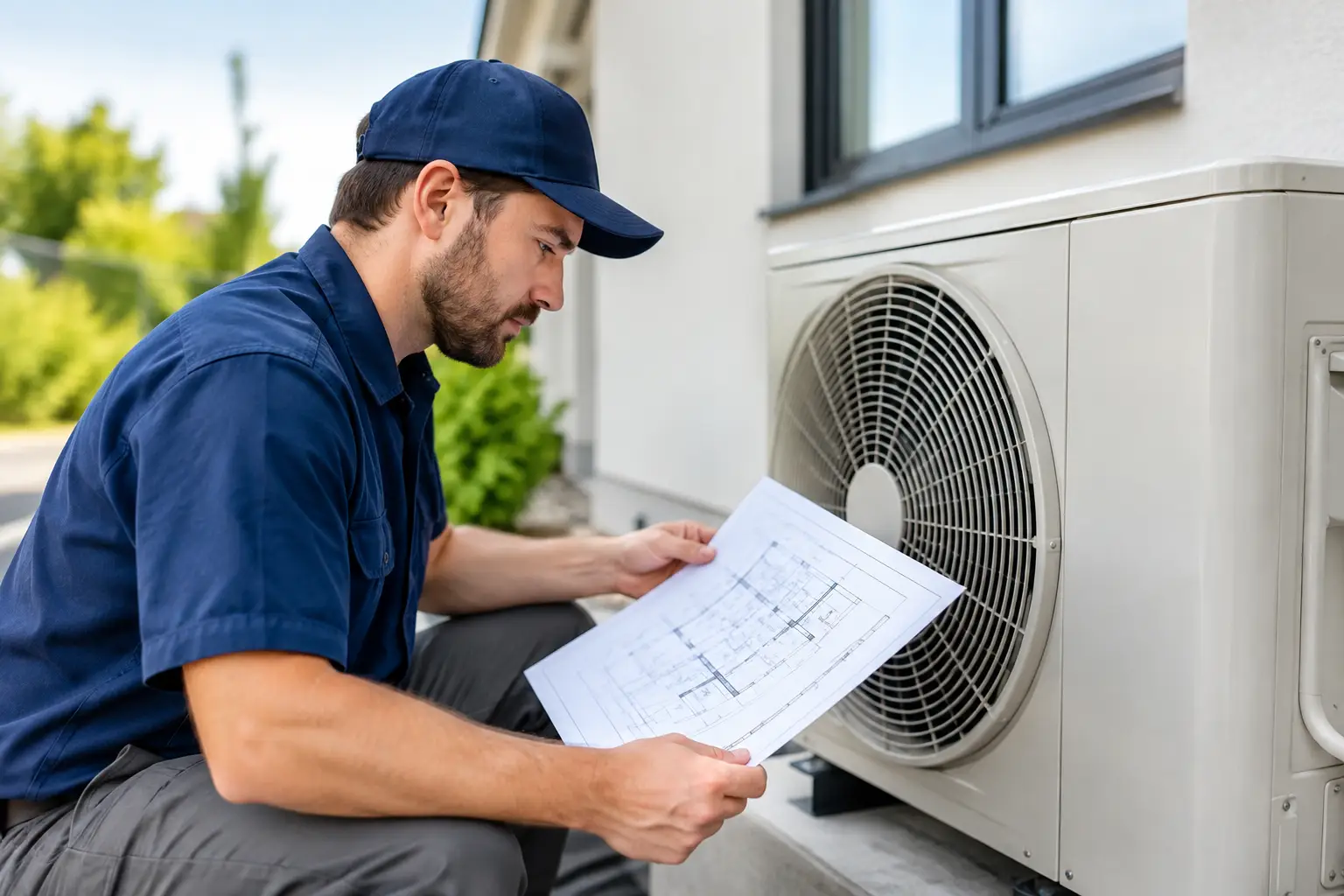
An HVAC plan, sometimes called a maintenance agreement or service plan, typically provides scheduled tune-ups for your heating and cooling system. Most plans include one visit before the cooling season and another before the heating season. During those visits, a technician inspects the equipment, checks operating performance, cleans key components as needed, and looks for developing issues.
A well-maintained system does not become immune to failure. Motors, capacitors, compressors, heat exchangers, and electrical parts can still wear out. The purpose of regular maintenance is to catch concerns early, reduce strain on the system, and make sure the equipment is operating as efficiently and safely as possible.
For homeowners, that usually means fewer surprises during the most demanding weather. For commercial properties, it can mean less risk of a comfort issue disrupting employees, customers, tenants, inventory, or daily operations.
Are HVAC Plans Worthwhile? It Depends on the Details
The short answer is often yes, especially in the Charlotte-area climate where air conditioning works hard through long, humid summers. Still, not every plan offers the same value. A low monthly price may look appealing, but the real question is what you receive in return.
A worthwhile plan should clearly explain the maintenance work covered, how often visits are scheduled, whether members receive priority service, and whether there are discounts on repairs or replacement parts. It should also be clear about what is not included. Routine maintenance is different from a warranty, and it generally does not cover the full cost of major repairs.
Before enrolling, ask whether the technician will inspect electrical connections, test system operation, check refrigerant performance where appropriate, clean or inspect coils, evaluate drainage, examine filters, and assess airflow. A quick glance at the equipment is not the same as preventive maintenance.
Clear communication matters just as much as the checklist. You should understand what the technician found, what needs attention now, what can be monitored, and what repair options are available. Honest recommendations help you make a sound decision without feeling pressured into unnecessary work.
The Benefits That Matter Most
The best reason to consider a maintenance plan is not a discount. It is consistency. HVAC systems tend to give warning signs before a complete failure, but those signs are easy to miss when equipment is tucked away in an attic, closet, crawlspace, or mechanical room.
During a maintenance visit, a technician may identify a loose electrical connection, a worn contactor, restricted airflow, a clogged condensate drain, or an aging capacitor. Addressing an issue while the system is still running can often be less stressful and less disruptive than waiting for a no-cooling or no-heat call.
Regular service can also support energy efficiency. Dirty filters, blocked coils, duct leaks, thermostat issues, and poor airflow can force a system to run longer than necessary. Maintenance cannot transform an outdated unit into a high-efficiency model, but it can help your current equipment perform closer to the way it was designed to perform.
For commercial customers, the operational benefit can be even greater. One neglected rooftop unit or failing zone can make a retail space uncomfortable, affect office productivity, or create complaints from tenants. Planned maintenance helps facility managers budget for HVAC needs and address concerns before they become urgent interruptions.
When a Plan May Save You Money
A maintenance agreement does not guarantee that you will spend less every year. Some years, your system may need only routine service. Other years, a repair may be necessary despite careful maintenance. The financial value is usually better viewed over the life of the equipment rather than in a single season.
Plans can make sense when they include scheduled professional service, preferred scheduling during busy periods, and meaningful repair savings. They are particularly helpful for systems that are several years old, properties with multiple units, or households that are unlikely to remember seasonal maintenance on their own.
Consider a typical cooling issue: a neglected drain line can clog and cause water backup, while restricted airflow can add strain to the blower and evaporator coil. Neither situation is guaranteed to happen, but routine inspection creates an opportunity to correct small problems before they lead to water damage, reduced comfort, or a service call at the worst possible time.
The plan may also help you plan ahead for replacement. When a technician sees declining performance, repeated repairs, or equipment nearing the end of its expected service life, you have more time to consider options, compare efficiency levels, and explore financing if needed. That is far better than making a rushed replacement decision during a summer breakdown.
Situations Where You Should Read the Fine Print
Not every property owner needs the same level of coverage. If you have a newer system with a strong manufacturer warranty, you may still benefit from maintenance, but the repair-discount portion of a plan may be less important. Review your warranty requirements as well, since some manufacturers require documented routine maintenance to keep certain coverage in effect.
If your equipment is very old and has frequent breakdowns, a maintenance plan is still useful for safety and performance checks, but it will not solve underlying age-related wear. In that case, ask for a candid assessment of whether continued repairs are sensible or whether replacement would offer better long-term value.
Also pay attention to automatic renewal terms, cancellation policies, service-call fees, and parts exclusions. A reputable provider should be comfortable explaining all of these in plain language. You should never have to guess what you are paying for or be surprised by the limits of coverage when your system needs help.
Maintenance Is More Than a Seasonal Tune-Up
A plan works best when it is paired with a few simple habits between visits. Change or clean filters on the schedule recommended for your system and indoor air conditions. Keep outdoor units clear of leaves, grass clippings, and stored items. Pay attention to new noises, uneven temperatures, unusual odors, short cycling, or rising utility bills.
Your ductwork and thermostat also deserve attention. Leaky or poorly balanced ducts can make rooms uncomfortable even when the equipment itself is operating correctly. An outdated or improperly programmed thermostat can cause unnecessary runtime. If certain rooms are consistently too warm, too cold, humid, or stuffy, mention it during your maintenance visit instead of assuming the issue is normal.
Indoor air quality can be part of the conversation, too. Excess dust, humidity concerns, recurring allergies, and stale air may point to filtration, ventilation, duct, or humidity-control needs. The right recommendation should match the property and the problem, not a one-size-fits-all product pitch.
Choosing a Local HVAC Partner
The value of a plan comes down to the people maintaining your equipment. Look for a local HVAC company that shows up when scheduled, documents what was checked, explains recommendations clearly, and respects your budget. Reliable service should leave you with a clearer picture of your system, not more confusion.
For homeowners and businesses in Monroe and the surrounding Charlotte-area communities, PR Mechanical approaches maintenance as part of long-term comfort care. The goal is to help equipment run dependably, identify concerns early, and give you straightforward information before a small issue becomes a major inconvenience.
If your system has been running hard, has missed seasonal service, or is showing changes in comfort or performance, do not wait for a complete breakdown to start paying attention. A thoughtful maintenance plan can turn HVAC care from a last-minute emergency into a predictable part of protecting your property.