A furnace can be running every day and still waste more energy than it should. Higher utility bills, rooms that heat unevenly, frequent cycling, and a system that seems to run nonstop are all common signs. Learning how to improve furnace efficiency starts with a simple goal: help the equipment move warm air safely and consistently without working harder than necessary.
For homeowners and property managers in Monroe and the greater Charlotte area, that matters during every cold snap. North Carolina winters may be milder than those in northern states, but a poorly maintained furnace can still make a home or business uncomfortable when temperatures drop. The good news is that many efficiency improvements are practical, and some require nothing more than regular attention.
Start With the Furnace Filter
A clogged filter is one of the most common and preventable causes of reduced furnace efficiency. As dust, pet hair, and other airborne particles collect on the filter, the blower has to work harder to pull air through the system. Restricted airflow can increase energy use, reduce comfort, and contribute to avoidable wear on the furnace.
Check the filter monthly during the heating season. Many standard 1-inch filters need replacement every one to three months, although the right schedule depends on the filter type, household size, pets, allergies, and how often the system runs. Commercial spaces may need more frequent checks because occupancy and operating hours can create a heavier dust load.
Use the filter size and rating recommended for your system. A very high-efficiency filter can be useful for indoor air quality, but it may also restrict airflow if the equipment is not designed for it. A qualified HVAC technician can help balance filtration needs with proper system performance.
Schedule Professional Furnace Maintenance
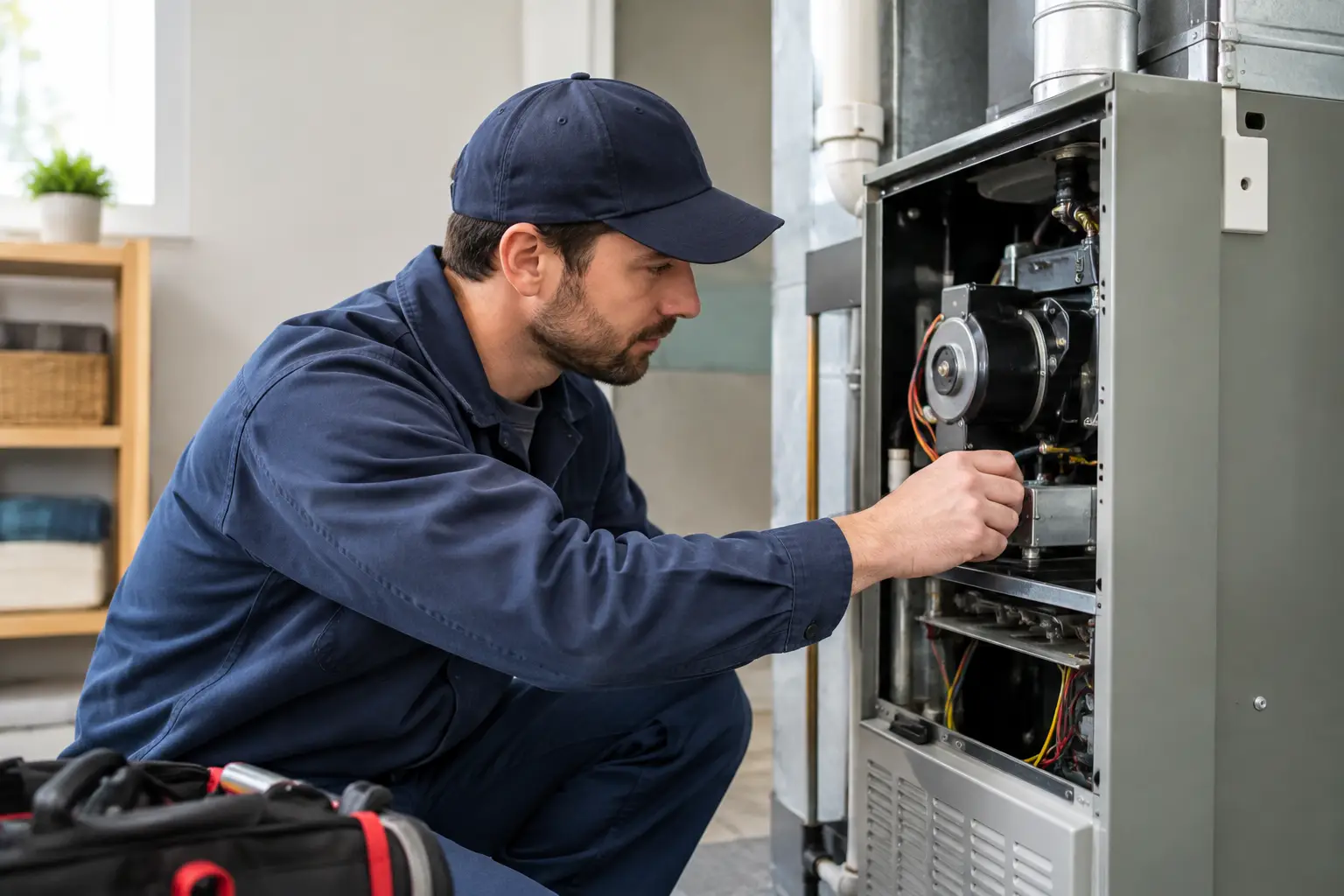
Annual maintenance is one of the most effective ways to improve furnace efficiency and protect your heating equipment. A furnace can lose performance gradually, so small problems are easy to miss until they become a repair call or a comfort issue.
During a professional tune-up, a technician can inspect and clean key components, check electrical connections, test safety controls, verify airflow, examine the heat exchanger, and confirm that the thermostat is communicating properly. For gas furnaces, testing combustion-related components is especially important for both performance and safety.
Maintenance does not mean every furnace will suddenly operate like a new unit. Age, installation quality, insulation, duct condition, and equipment size all affect efficiency. Still, regular service gives the system its best chance to operate as designed and helps identify developing issues before they lead to a breakdown.
Keep Warm Air Moving Through the Building
Your furnace does not create comfort by itself. It depends on the ductwork, registers, return vents, and blower to distribute heated air where it is needed. If air cannot move freely, the furnace may run longer while certain rooms remain chilly.
Keep supply registers and return grilles open and clear of furniture, rugs, boxes, and curtains. Closing vents in unused rooms may seem like a way to save energy, but it can disrupt airflow and increase pressure in the duct system. Unless your HVAC professional has recommended a zoning strategy, keeping vents open is usually the better approach.
Duct leaks are another major source of wasted heat. In attics, crawl spaces, garages, and other unconditioned areas, leaky or poorly insulated ducts can lose valuable warm air before it reaches occupied rooms. Warning signs include dusty rooms, weak airflow, hot and cold spots, and unusually high heating bills. Professional duct inspection and sealing can make a noticeable difference, particularly in older homes and larger commercial buildings.
Use the Thermostat With a Plan
A programmable or smart thermostat can reduce unnecessary heating by matching the schedule to how the building is actually used. Lowering the temperature while everyone is asleep or while a business is closed can save energy, then the thermostat can return the space to a comfortable setting before people arrive.
Avoid dramatic temperature changes. Turning the thermostat much higher will not heat the building faster. It only tells the furnace to run longer, which can lead to overheating and higher energy use. Set a comfortable temperature and allow the system to do its work.
For many households, a winter setting around 68 degrees while awake is a reasonable starting point, with a lower setting during sleep or when the home is empty. The best setting depends on the building, occupants, and comfort needs. Businesses should also consider customer traffic, employee work areas, equipment heat loads, and operating hours when creating a schedule.
If your system seems to ignore thermostat settings, cycles on and off too frequently, or has trouble holding a steady temperature, the issue may be with the thermostat, furnace, airflow, or system sizing. A professional diagnosis is more reliable than guessing at the cause.
Reduce Heat Loss Around the Furnace
Even a well-maintained furnace cannot overcome significant heat loss throughout a building. Gaps around doors and windows, under-insulated attic spaces, poorly sealed penetrations, and uninsulated duct runs can all allow conditioned air to escape.
Simple weatherization work can support furnace efficiency. Add weatherstripping around drafty doors, seal obvious gaps around windows and utility penetrations, and keep fireplace dampers closed when the fireplace is not in use. Proper attic insulation is often one of the most valuable upgrades because heat naturally rises and can escape through the top of the home.
For commercial properties, pay attention to frequently used exterior doors, loading areas, and large open spaces. A door that stays open during deliveries or a damaged door sweep can have a greater effect on heating costs than many owners expect. These issues do not replace HVAC service, but they help the heating system maintain comfort with less strain.
Watch for Signs Your Furnace Is Losing Efficiency
Some efficiency problems need professional attention rather than a new filter or thermostat adjustment. If a furnace starts making unusual noises, produces inconsistent heat, runs for long periods, emits burning or musty odors, or requires repeated repairs, schedule service before the issue worsens.
Gas furnace concerns deserve prompt attention. Shut the system down and seek professional help if you smell gas, if a carbon monoxide alarm sounds, or if anyone in the building experiences unexplained headaches, dizziness, or nausea. Carbon monoxide detectors should be installed and maintained according to manufacturer recommendations, especially near sleeping areas in homes.
A yellow or flickering burner flame can also signal a combustion concern. Furnace troubleshooting should not involve bypassing safety switches or attempting internal gas or electrical repairs without proper training. Reliable heat begins with safe operation.
Know When Replacement May Save More
There comes a point when repairs and maintenance cannot make an aging furnace efficient enough to justify keeping it. If a unit is 15 years or older, breaks down often, struggles to heat the building evenly, or has rising repair costs, it may be time to compare replacement options.
A new high-efficiency furnace can lower fuel use, but the right choice is not always the highest-rated model. Proper sizing, quality installation, compatible ductwork, and correct airflow matter just as much. An oversized furnace may short-cycle, while an undersized unit may run continuously and still fail to keep up.
Before replacing equipment, ask for a clear assessment of the current system and the factors affecting performance. Honest recommendations should account for the building’s size, insulation, ductwork, comfort goals, and budget. Financing options can also make a necessary upgrade more manageable when replacement cannot wait.
Build Efficiency Into Your Seasonal Routine
The most dependable way to control heating costs is to address small efficiency issues before winter demand exposes them. Replace filters on schedule, keep vents clear, use your thermostat consistently, and arrange annual maintenance before the coldest weather arrives. Those habits help preserve comfort, protect the furnace, and give you more confidence when temperatures fall.
If your furnace is not keeping up or your heating bills no longer make sense, a local HVAC professional can identify whether the answer is maintenance, ductwork improvement, thermostat service, repair, or replacement. The right fix should leave you with safer operation, clearer answers, and comfort you can count on.